
- Shop By User
- Skin Care & Hygiene
- Shop by Product
- Shop By Brand
- Bed & Chair Protection
- Shop By Absorbency
- Shop By Size
What are the Different Types of Urinary Incontinence?
Incontinence is a prevalent condition that affects millions of individuals worldwide, impacting their quality of life and everyday activities. By understanding the different types of incontinence, identifying common causes, recognizing lifestyle factors, and exploring effective management strategies, individuals can regain control and lead fulfilling lives.
Types of Incontinence:
1. Stress Incontinence
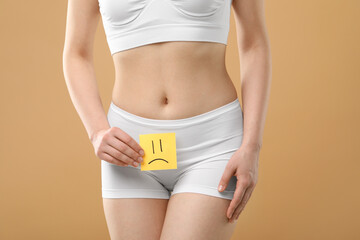
Stress incontinence is characterized by the involuntary leakage of urine during activities exerting pressure on the bladder and pelvic floor. It is often caused by weakened pelvic muscles due to factors like pregnancy or aging. Symptoms include leakage during sneezing or coughing, increased urination frequency, and sudden urges.
Management strategies include:
- Pelvic floor exercises
- Healthy lifestyle changes
- Bladder training
- Specialized incontinence products
2. Urge Incontinence

Urge incontinence is characterized by sudden and intense urges to urinate, leading to involuntary leakage. This condition can disrupt daily life and cause emotional distress. Common causes include overactive bladder muscles, neurological disorders, infections, and certain medications.
Management strategies include:
- Bladder retraining
- Pelvic floor exercises
- Scheduled voiding
- Medication and surgical interventions (if needed)
3. Overflow Incontinence
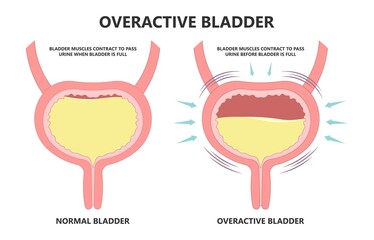
Overactive incontinence is characterized by constant dribbling due to the bladder’s inability to empty completely. Common causes include bladder blockages, nerve damage, or weak bladder muscles. Individuals may experience urgency without fully emptying the bladder, leading to leakage.
Management strategies include:
- Catheterization
- Medication to reduce bladder obstruction
- Potential surgical interventions
4. Functional Incontinence
Functional incontinence is not caused by bladder dysfunction, but by external factors that hinder the ability to reach a restroom in time. It is often observed in individuals with mobility, cognitive, or communicative impairments.
Management strategies include:
- Environmental modifications for easier restroom access
- Caregiver support and reminders
- Assistive devices to improve independence
5. Mixed Incontinence
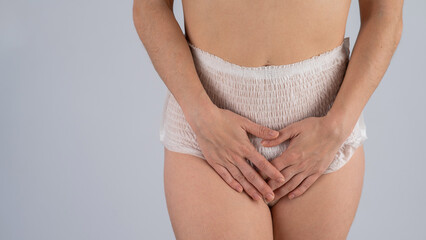
Mixed incontinence combines elements of both stress and urge incontinence, leading to a range of symptoms such as leakage during physical activities and frequent urges to urinate. This type of incontinence often affects women and can impact daily life and emotional well-being.
Management strategies include:
- Pelvic floor exercises
- Bladder training
- Behavioral modifications
- Medication or surgical interventions (if needed)
Empowering Individuals to Address Incontinence
Understanding the various types of urinary incontinence, including stress, urge, overflow, functional, and mixed incontinence, empowers individuals to address their symptoms effectively and improve their quality of life. Seeking medical guidance is crucial for personalized treatment plans, which may include:
- Lifestyle modifications
- Medications
- Behavioral therapies
- Surgical interventions (when necessary)
The Role of Incontinence Products
The use of incontinence products such as pads, pants, and bed sheets can enhance the management of symptoms. These products offer comfort, security, and convenience for those dealing with urinary incontinence on a day-to-day basis.
LATEST NEWS